Family Sites




Green Solutions
Approximately 1 billion tons of CO₂ are emitted annually from global maritime transport. HD Hyundai Marine Solution provides a range of decarbonization retrofit solutions for shipping companies and charterers in line with global decarbonization trends, including RE100 and Net-Zero.


Decarbonization Solutions
-
Green Fuel and
Energy EfficiencyWe deliver solutions that reduce greenhouse gas emissions and energy consumption through the adoption of low-carbon fuels and the enhancement of onboard system efficiency.
-
Tailored Decarbonization
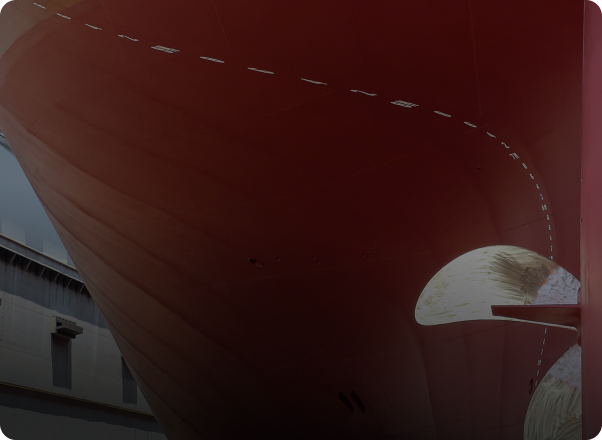
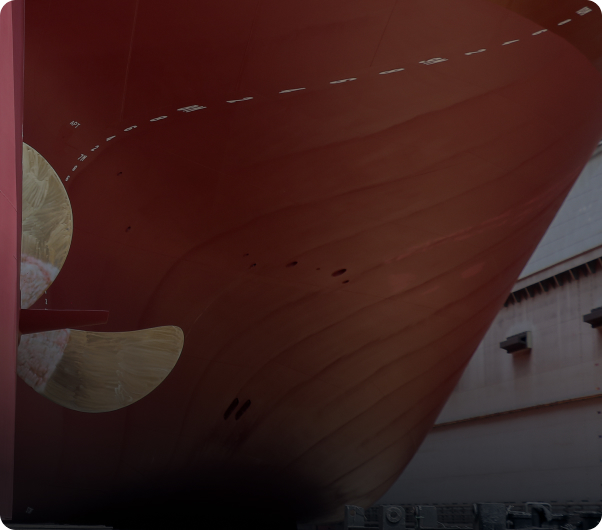
SolutionsWe provide a wide range of optimized decarbonization retrofit solutions tailored to customer requirements, including dual-fuel engines, turbochargers, propellers, and shore power systems.
-
Dual-Fuel Engine Retrofit (DF Engine)
A dual-fuel engine retrofit is a technology that converts existing single-fuel engines into dual-fuel engines capable of using two fuels. This enables a response to green fuel regulations adopted at the IMO and MEPC 83 meetings and allows the use of next-generation green fuels such as LNG, methanol, ammonia, and even hydrogen.
-
1. Harmful Substance Emission Reduction
Significantly reduce harmful substance emissions—such as SOx, NOx, and CO₂—from exhaust gases, thereby improving environmental regulatory compliance.
-
2. Operational Flexibility
When the supply of alternative low-carbon fuels is limited, the system can operate on conventional fuels, ensuring a high degree of operational flexibility.
-
-
Engine Part-Load Optimization (EPLO)
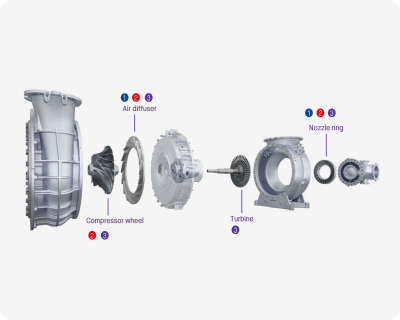
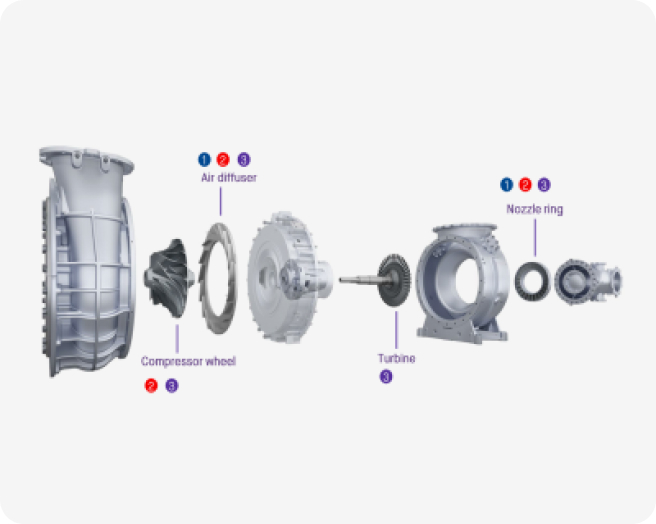
Engine Part-Load Optimization (EPLO) is a technology that retrofits engines and turbochargers to optimize for actual operating speeds. This enables reduced fuel consumption, improved environmental performance, and enhanced overall vessel operational efficiency.
-
1. Fuel Reduction and Environmental Performance Improvement
Achieves fuel efficiency improvements of up to 6 g/kWh while reducing carbon emissions. By suppressing carbon deposit formation, it extends engine service life and lowers maintenance costs.
-
2. Operational Efficiency Enhancement
Enable high combustion efficiency and operational efficiency improvements through turbocharger retrofitting optimized for actual vessel operating speeds.
-
-
Alternative Maritime Power (AMP)
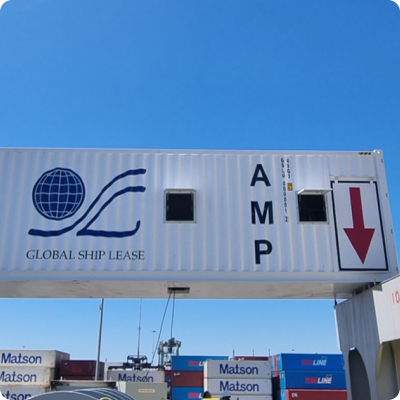
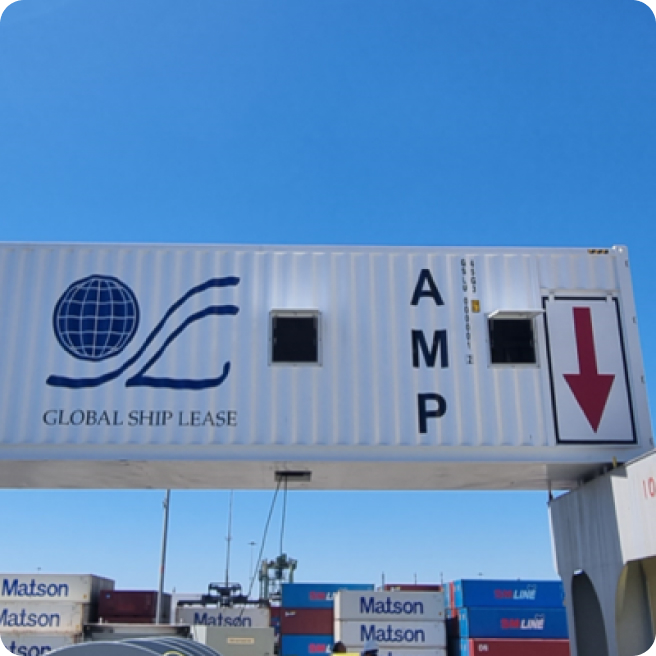
Alternative Maritime Power (AMP) enables vessels to switch off onboard engines during berthing and rely on shore-supplied electricity for onboard power demand, contributing to improved air quality around ports and enhanced compliance with environmental regulations.
-
1. Zero Emissions and Air Quality Improvement
By stopping engine operation during berthing and using shore power, emissions of SOx, NOx, CO₂, and particulate matter are eliminated, reducing air and noise pollution near ports.
-
2. Enhanced Environmental Regulation Response
With AMP installation and use becoming mandatory at major ports, including IMO, North America, Europe, and China, this enables an effective response to international and regional environmental regulations.
-
-
Propeller Re-design
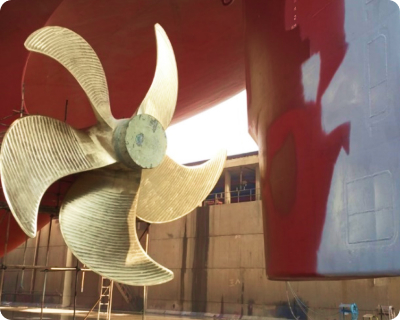
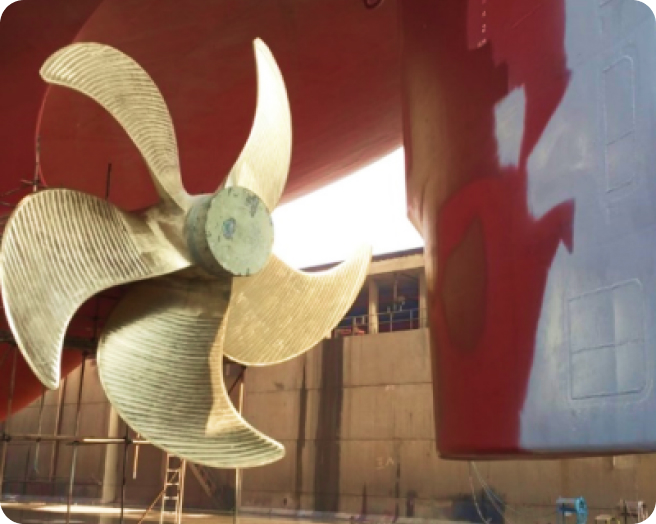
Propeller redesign is a technology that maximizes propulsion efficiency and operational performance by re designing the existing propeller’s principal dimensions—such as the number of blades, diameter, and expanded area ratio—as well as its geometric characteristics, including pitch, skew, and camber distribution, to ensure optimal performance under the vessel’s actual operating conditions.
-
1. Propulsion Efficiency and Fuel Reduction
Reduce energy loss and improve fuel efficiency through a design optimized for operating conditions, reducing operational costs.
-
2. Noise and Vibration Reduction
By reducing the cavitation area and stabilizing its behavior, this technology minimizes noise and vibration impacts on the vessel’s structure and crew.
-
-
Bulbous Bow Optimization
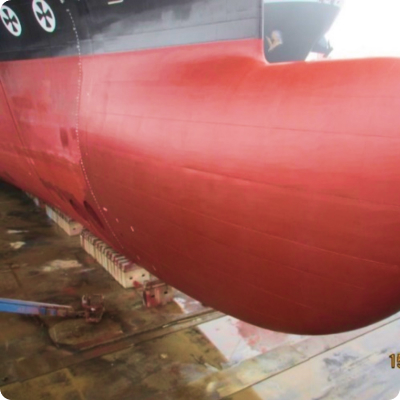
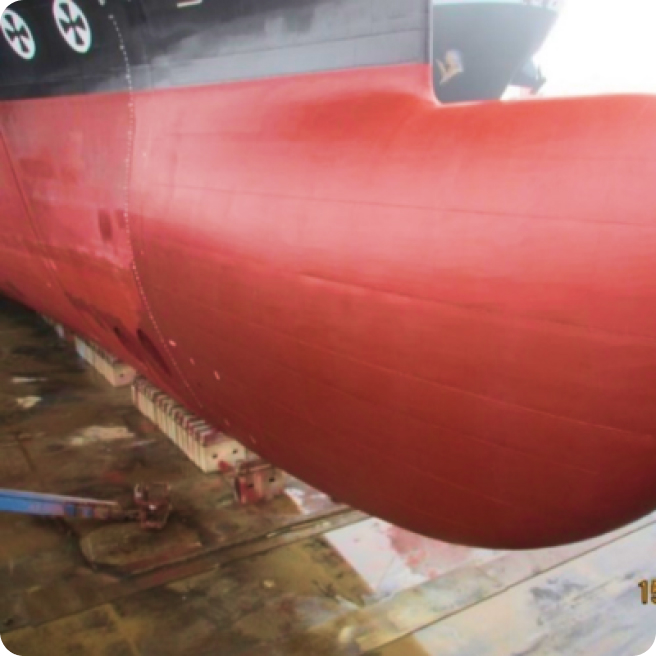
Bulbous Bow Optimization is a retrofit solution that redesigns the bulb geometry to match a vessel’s actual operating profile. By utilizing advanced CFD (Computational Fluid Dynamics), it minimizes wave-making resistance, ensuring optimal performance across a wide range of operational drafts and speeds.
-
1. Significant Fuel Savings & CO2 Reduction
Reducing wave-making resistance lowers the engine power required to maintain cruising speed. This leads to a substantial reduction in fuel consumption and greenhouse gas emissions, directly improving the vessel’s CII (Carbon Intensity Indicator) rating and EEXI compliance.
-
2. Optimized Performance for Real-world Operations
Many in-service vessels operate at speeds and drafts different from their original design specifications (e.g., slow steaming). Redesigning the bulbous bow for these actual conditions eliminates unnecessary drag, restoring propulsion efficiency and operational flexibility.
-
-
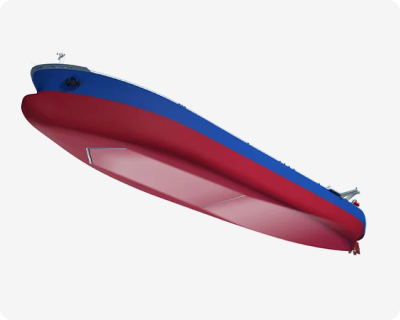
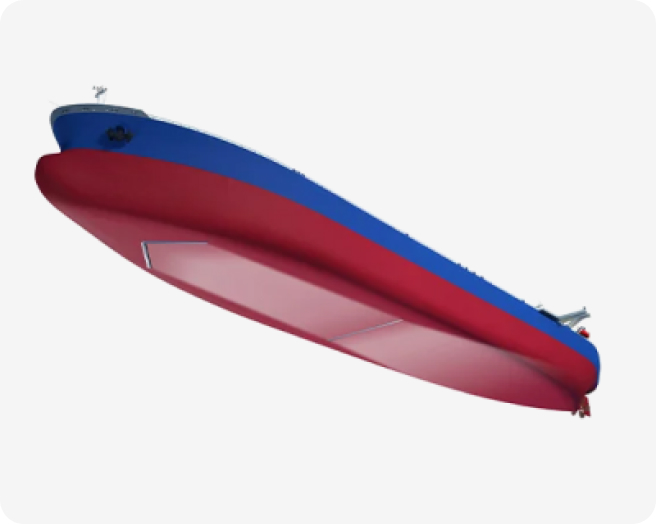
Air Lubrication System (ALS)
An Air Lubrication System (ALS) is a technology that reduces frictional resistance by injecting air at the vessel's bottom to form an air layer between the hull and seawater.
-
1. Fuel Reduction and Greenhouse Gas Reduction
Reducing friction resistance decreases fuel consumption and emissions of CO₂, NOx, and SOx, making it effective for environmental regulatory response.
-
2. Operating Cost Reduction
Enable a total reduction in vessel operating costs through fuel savings.
-
-
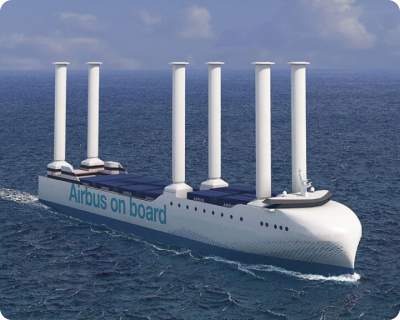
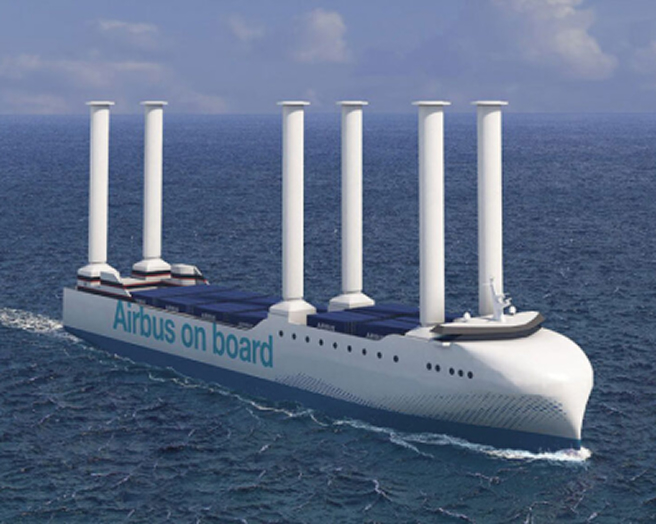
Wind Assisted Propulsion System (WAPS)
Wind Assisted Propulsion System (WAPS) is a system that assists vessel propulsion using wind power, reducing fuel consumption and carbon emissions.
-
1. Fuel Reduction and Greenhouse Gas Reduction
Utilize wind power as auxiliary power to reduce engine load and simultaneously decrease fuel consumption and greenhouse gas emissions.
-
2. Operating Cost Reduction
Enable a total reduction in vessel operating costs through fuel savings.
-
3. Operational Efficiency Enhancement Through Incentive Acquisition
Acquire incentives in accordance with FuelEU Maritime regulations to enhance vessel operational efficiency.
-
-
Exhaust Gas Boiler
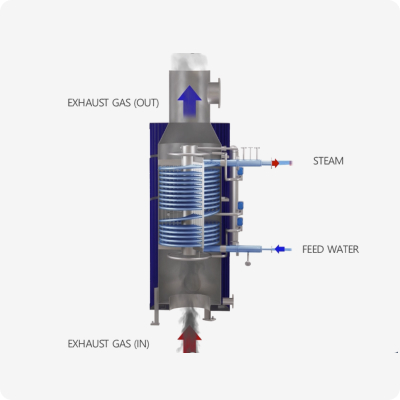
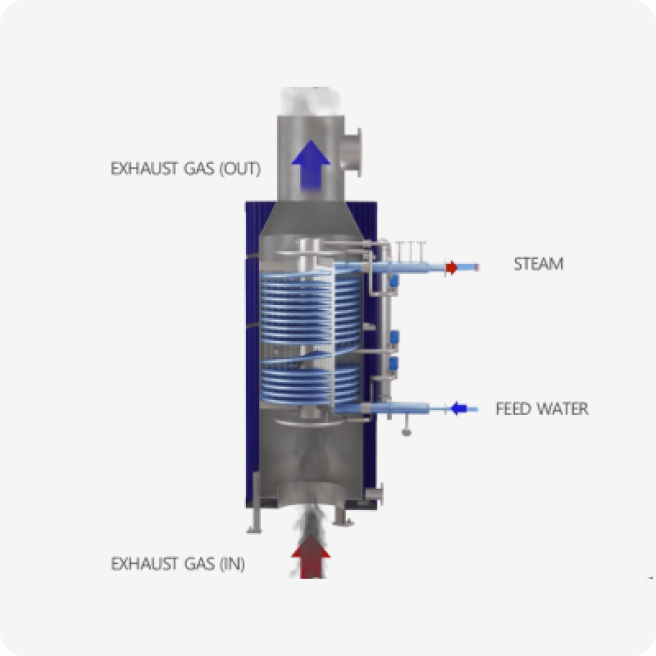
An Exhaust Gas Boiler recovers heat from high-temperature exhaust gases generated by the ship’s main engine to produce steam or heat water. By utilizing waste exhaust heat, it significantly reduces fuel consumption compared to conventional boilers and maximizes overall energy efficiency onboard.
-
1. Fuel Reduction and Operating Cost Reduction
Reduce fuel consumption by utilizing exhaust gas heat instead of conventional boilers, thereby reducing operating costs.
-
-
Propeller Hub Cap (Hi-Fin)
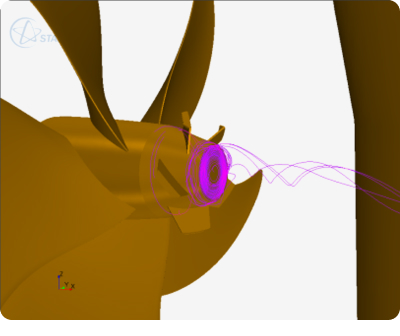
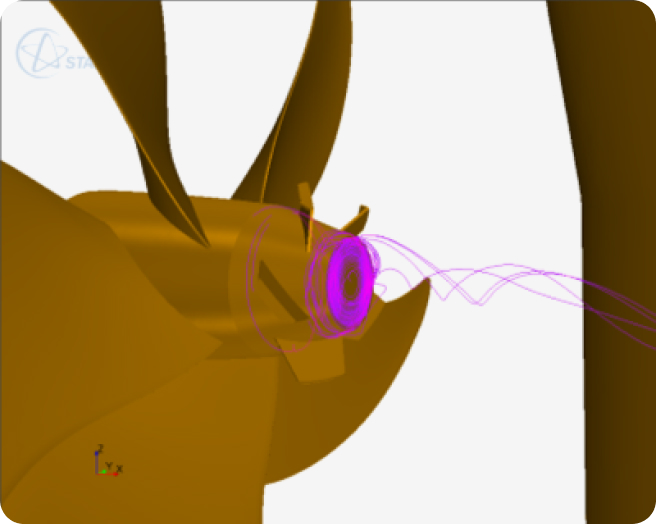
A propeller hub cap (Hi-Fin) is an energy-saving device that reduces the propeller hub vortex by attaching fins to the boss cap. It recovers lost rotational energy to enhance thrust and improve overall propulsion efficiency.
-
1. Enhanced Fuel Efficiency & Carbon Reduction
By reducing the hub vortex, Hi-Fin increases thrust. This performance helps vessels comply with environmental regulations like EEXI and CII by lowering CO2 emissions.
-
2. Rudder Protection & Maintenance Savings
Hi-Fin mitigates rudder erosion caused by hub vortex, extending the lifespan of the steering system. This leads to reduced dry-docking costs and lower long-term maintenance requirements.
-
-
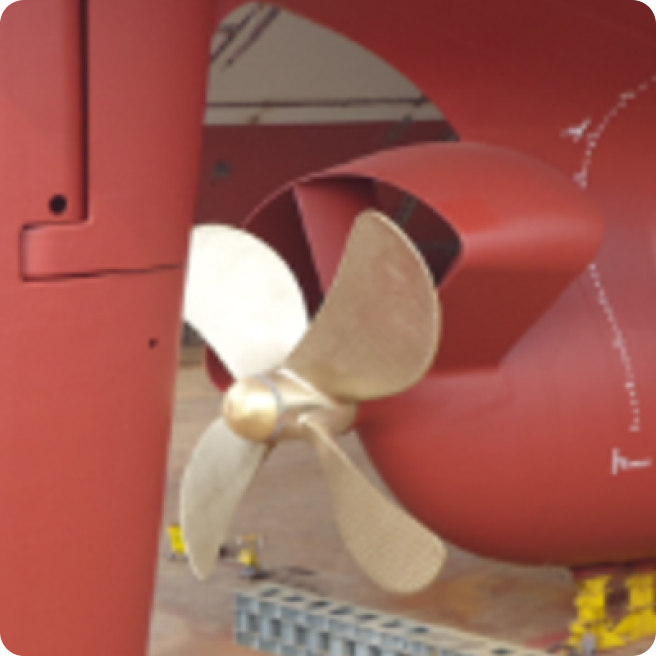
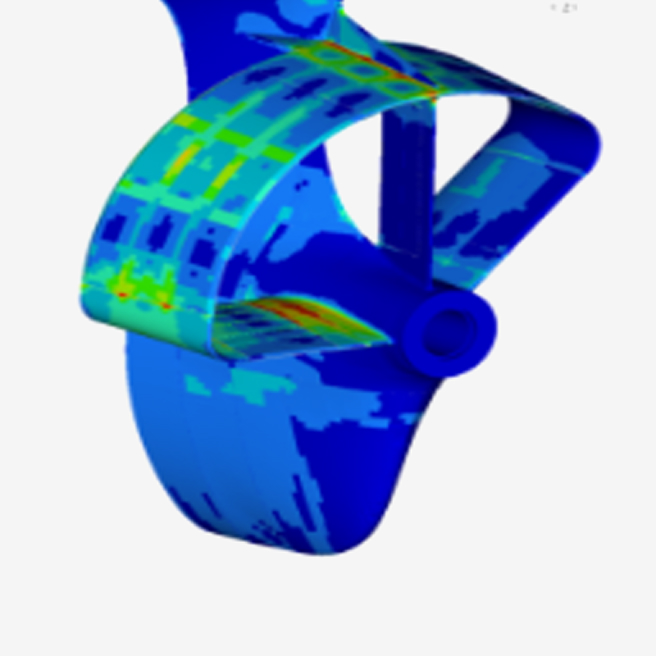
Pre-Swirl Duct (Hi-PSD)
A pre-swirl duct (Hi-PSD) is a structure installed in front of the propeller that controls fluid flow from the hull to induce rotational motion in advance. It is equipment that enhances propeller efficiency and reduces fuel consumption by optimizing the velocity distribution of water reaching the propeller.
-
1. Propulsion Efficiency and Fuel Reduction
Improve propulsion efficiency by controlling fluid flow in advance and reducing fuel consumption to lower operational costs.
-
2. Resistance Reduction and Vibration Mitigation
Mitigate flow interference between hull and propeller and reduce vibration and noise by equalizing velocity distribution.
-
-
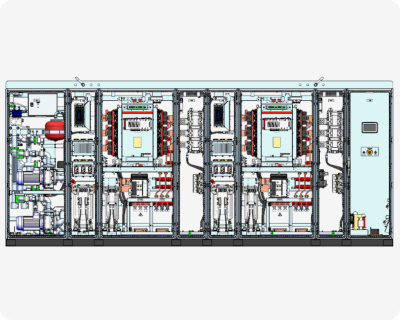
Variable Frequency Drive (VFD)
A Variable Frequency Drive (VFD) is a technology that controls the speed and torque of AC motors by adjusting the frequency of the power supply (Hz).
-
1. Fuel Reduction and Operating Cost Reduction
Reduce fuel costs and operating costs by decreasing energy consumption through enhanced motor operation efficiency.
-
2. Equipment Protection and Precise Control
Prevent equipment overload and damage by precisely controlling motor speed and torque, and improve system performance and reliability.
-
Have Questions?
We provide prompt, accurate answers to online inquiries.
-
Go to
Customer Materials Download
Brochures/Catalogs/Manuals/Certificates You can download materials for customers.
-
Go to
FAQ Frequently Asked Questions
You can check the frequently asked questions and customer answers.
-
Go to
1:1 Inquiry
When you ask questions according to inquiry type, our staff will respond quickly and kindly.
Now Loading.
Please wait a moment.


HD현대마린솔루션의 모바일 웹은 세로화면에 최적화되어 있습니다.